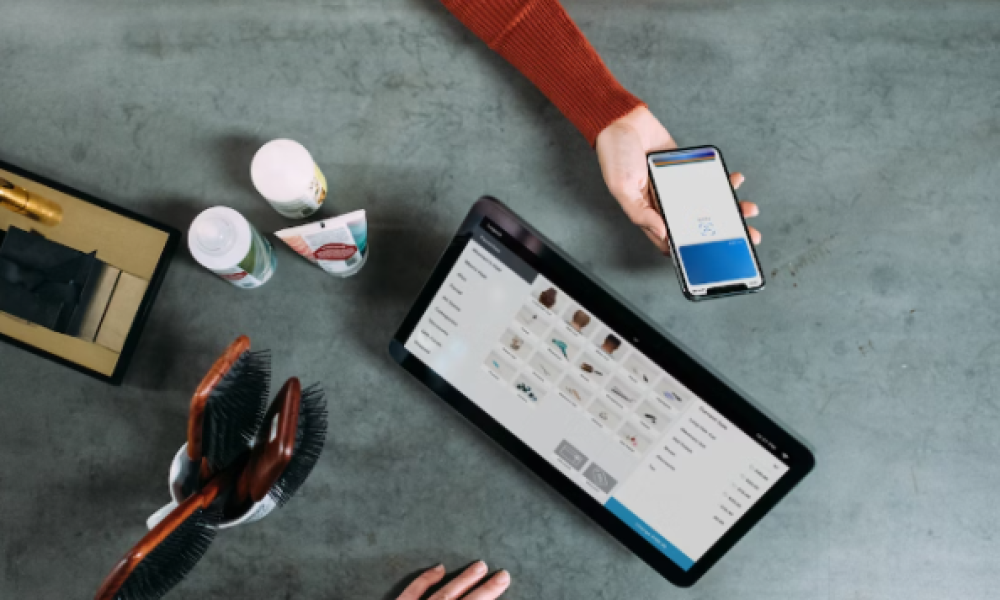
The retail landscape has undergone significant transformations over the years, driven by technological advancements, changing consumer preferences, and global economic shifts. As we step into the future, the world of selling, wholesale, and supermarkets is poised for a revolution. This article explores the exciting possibilities and trends shaping the future of these sectors.
E-commerce Dominance
E-commerce has been on the rise for years, but its growth has accelerated dramatically in recent times. The COVID-19 pandemic acted as a catalyst, pushing many consumers to embrace online shopping out of necessity. As we move forward, e-commerce will continue to play a central role in the future of retail.
Innovations like augmented reality (AR) and virtual reality (VR) are likely to enhance the online shopping experience, allowing customers to virtually try on clothes, see how furniture fits in their homes, or test products before purchase. The integration of AI-driven chatbots and personalization algorithms will further improve customer service and tailor shopping experiences to individual preferences.
Omnichannel Retail
The future of retail is not solely online; it's omnichannel. Successful retailers will seamlessly blend physical and digital experiences. This means integrating mobile apps, online storefronts, and brick-and-mortar stores into a cohesive ecosystem.
For instance, customers might browse products online, use augmented reality tools to visualize them in their homes, and then visit a physical store for a final decision or in-person assistance. Retailers will leverage data analytics to create a unified customer journey, enabling a smooth transition between online and offline channels.
Sustainable Practices
Environmental and social responsibility are becoming increasingly important to consumers. As a result, the future of retail, wholesale, and supermarkets will place a strong emphasis on sustainability. Retailers will adopt eco-friendly practices in areas like sourcing, packaging, and transportation. This includes reducing plastic waste, using renewable energy, and supporting fair labor practices.
Consumers will also have access to more information about a product's environmental and ethical impact, enabling them to make more informed choices. Brands that prioritize sustainability will have a competitive edge in the marketplace.
Data-Driven Insights
Big data and analytics will continue to shape the retail landscape. Retailers will collect vast amounts of customer data, including shopping habits, preferences, and even biometric information. This data will be used to personalize marketing, optimize inventory management, and enhance the overall shopping experience.
Machine learning and artificial intelligence will play a crucial role in forecasting demand, suggesting product recommendations, and identifying trends. Retailers will have the ability to predict and respond to consumer needs with greater accuracy, reducing waste and improving efficiency.
Automation and Robotics
Automation will revolutionize the supply chain and in-store operations. Warehouses will be equipped with robots that handle tasks such as picking and packing, while autonomous vehicles will streamline delivery processes. This will result in faster and more cost-effective supply chains.
In physical stores, robots will assist with inventory management and customer service. Automated checkout systems, like Amazon's cashier-less stores, will become more common, reducing wait times and increasing convenience.
Personalized Experiences
Retailers will continue to invest in creating personalized shopping experiences. AI-powered recommendation engines will suggest products based on individual preferences, and virtual shopping assistants will provide real-time assistance.
In physical stores, personalized experiences will extend to in-store navigation, with apps guiding customers to specific products and offering tailored promotions based on their preferences and past purchases.
The Role of Augmented Reality (AR) and Virtual Reality (VR)
AR and VR technologies will bridge the gap between physical and digital retail experiences. Customers will use AR to try on clothing virtually, visualize furniture in their homes, or receive product information by scanning items with their smartphones. VR will enable immersive virtual shopping experiences, transporting customers to virtual storefronts or showrooms.
Conclusion
The future of selling, wholesale, and supermarkets is an exciting frontier filled with technological innovations, sustainability initiatives, and enhanced customer experiences. E-commerce will continue to thrive, but omnichannel retail will dominate, offering a seamless blend of online and offline shopping. Sustainability, data-driven insights, automation, and personalized experiences will be key drivers of success for retailers in the coming years.
As we journey into this future, adaptability and innovation will be the cornerstones of success for businesses in the retail sector. Those that can embrace these changes and prioritize the evolving needs of consumers will thrive in the dynamic landscape of retail, wholesale, and supermarkets.
By
IACTIVEO